Few racing series have influenced car culture as profoundly as Initial D. Created by Shuichi Shigeno, the manga and anime introduced millions of fans worldwide to the thrilling world of Japanese street racing, mountain passes, and driving technique. While the characters and rivalries are unforgettable, the true stars of the series are the cars themselves. Each vehicle reflects the personality and driving philosophy of its owner, making every race feel unique.
From legendary drift machines to high-powered rotary monsters, here are the five most iconic cars that helped define Initial D and cement its place in automotive history.
1. Toyota AE86 Trueno – The Underdog Legend
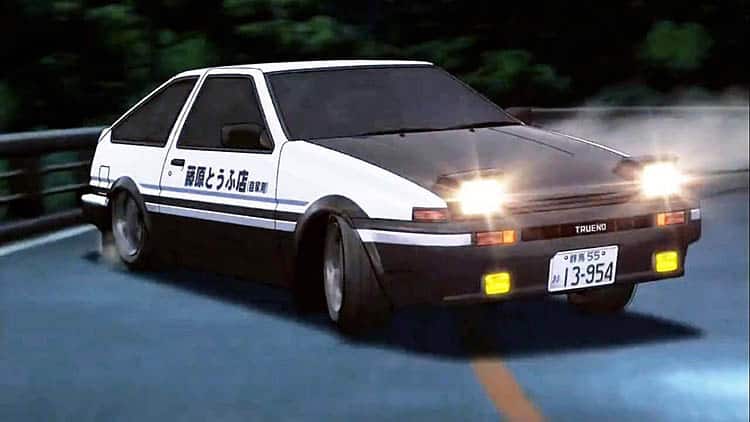
No discussion about Initial D can begin anywhere other than the Toyota AE86 Sprinter Trueno driven by Takumi Fujiwara. At first glance, the AE86 seems outmatched by the more powerful sports cars it faces throughout the series. However, its lightweight chassis, balanced handling, and Takumi’s extraordinary driving skills transform it into one of the most feared cars on the mountain roads.
The AE86 symbolizes one of the central themes of Initial D: skill matters more than horsepower. Takumi’s mastery of weight transfer, braking, and cornering allows him to defeat opponents with significantly more powerful machines. The car’s popularity exploded thanks to the series, turning a relatively affordable classic into one of the most sought-after Japanese cars in the world.
Even today, the AE86 remains the ultimate symbol of Initial D and one of the most recognizable vehicles in anime history.
2. Mazda RX-7 FD3S – Keisuke Takahashi’s Speed Demon
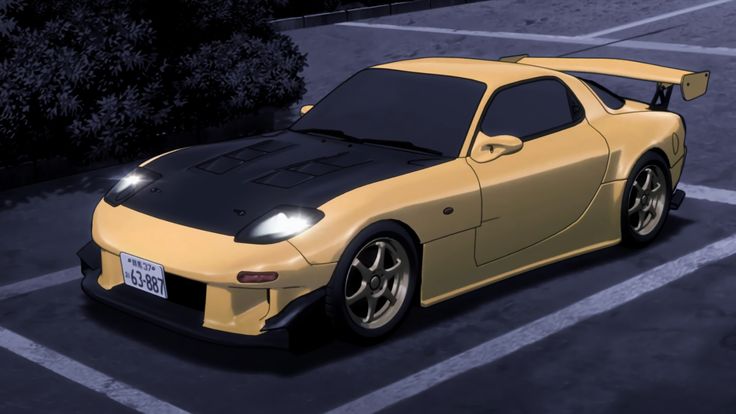
The Mazda RX-7 FD3S driven by Keisuke Takahashi is arguably the second most famous car in the franchise. Equipped with Mazda’s unique rotary engine, the FD combines lightweight construction, exceptional handling, and impressive power.
Initially known for relying heavily on raw speed, Keisuke gradually evolves into a highly skilled racer throughout the series. His FD3S evolves alongside him, becoming a weapon capable of competing with the best drivers in the region.
The sleek design of the RX-7, combined with its distinctive rotary sound and aggressive racing style, helped make it one of the most beloved cars among fans. For many viewers, the FD3S represented the perfect blend of performance, style, and racing spirit.
3. Mazda RX-7 FC3S – Ryosuke Takahashi’s Strategic Masterpiece
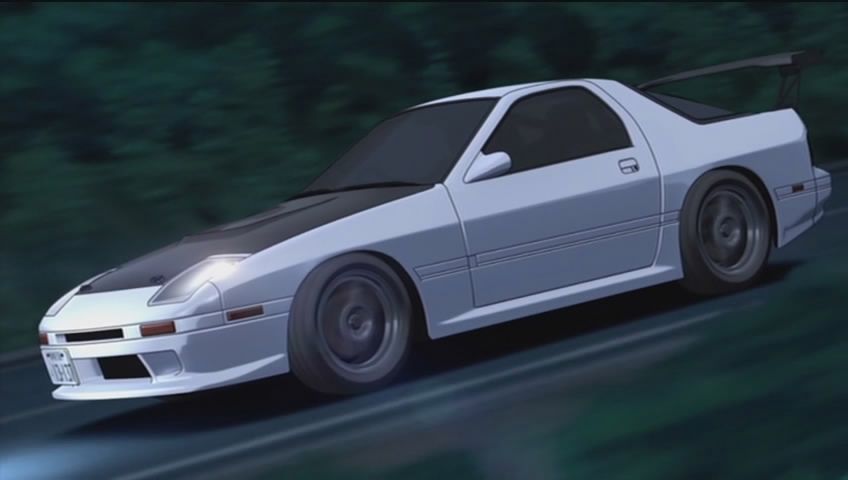
While Keisuke’s FD is flashy and aggressive, Ryosuke Takahashi’s Mazda RX-7 FC3S reflects a different philosophy. Known as the “White Comet of Akagi,” Ryosuke approaches racing like a chess match, relying on strategy, data analysis, and precision.
The FC3S may not be the newest car in the series, but under Ryosuke’s control it becomes one of the most formidable machines on the mountain passes. Its balanced handling and rotary-powered performance make it ideal for a driver who values consistency over recklessness.
The partnership between Ryosuke and his FC perfectly demonstrates how Initial D emphasizes intelligence and planning just as much as driving talent.
4. Nissan Skyline GT-R R32 – The Godzilla of the Mountains
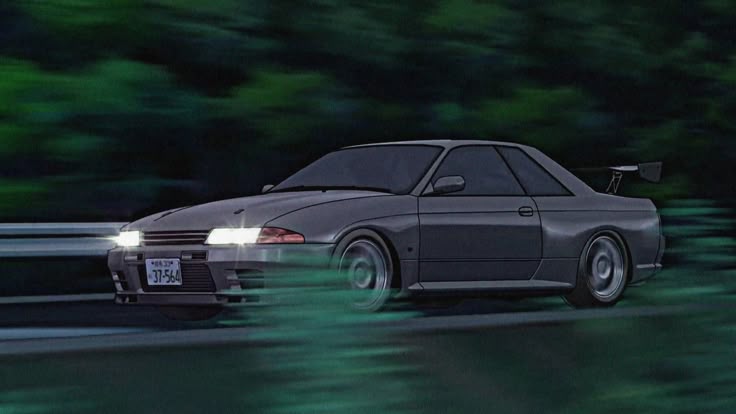
The Nissan Skyline GT-R R32 earned the nickname “Godzilla” for a reason. With its advanced all-wheel-drive system and twin-turbocharged engine, the R32 was one of the most dominant performance cars of its era.
In Initial D, the GT-R often represents overwhelming technological superiority. Drivers behind the wheel of this legendary machine rely on its incredible grip and acceleration to challenge opponents on demanding mountain roads.
The R32 showcases a fascinating contrast within the series. While technology provides a significant advantage, Initial D repeatedly demonstrates that even the most advanced car cannot guarantee victory without skill and experience.
Its iconic status in both real-world motorsports and anime culture makes it one of the franchise’s most memorable vehicles.
5. Honda Civic EG6 – The Lightweight Cornering Specialist
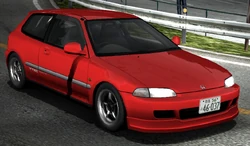
The Honda Civic EG6 may not possess the raw power of some other cars in the series, but it earns its place through agility and efficiency. Driven by racers who understand momentum and cornering speed, the EG6 embodies the philosophy of maximizing every advantage available.
Much like the AE86, the Civic proves that lightweight cars can be devastatingly effective on technical mountain roads. Its ability to maintain speed through corners often allows it to compete with vehicles boasting much larger engines.
The EG6’s appearances in Initial D helped highlight the diversity of Japanese performance cars and reinforced the series’ message that driving technique remains the ultimate deciding factor.
Why These Cars Continue to Inspire Fans
What makes these vehicles so memorable is that they are more than machines. Each car reflects its driver’s personality, strengths, and growth throughout the story. Whether it’s Takumi’s humble AE86, Keisuke’s aggressive FD3S, or Ryosuke’s calculated FC3S, every vehicle contributes to the emotional impact of the races.
Even decades after the manga’s debut, these cars remain icons within automotive culture. They continue to inspire enthusiasts, collectors, drifters, and anime fans around the world.
Final Thoughts
The legendary cars of Initial D played a huge role in transforming the series from a racing manga into a global automotive phenomenon. From the humble Toyota AE86 to the powerful Mazda RX-7 FD3S, each vehicle represents a unique approach to speed, skill, and competition. Their influence continues to be felt throughout both anime culture and the real-world car community.
👉 If you’re a longtime fan of Initial D and its unforgettable machines, explore Initial D-inspired merchandise, apparel, and collectibles at Initial D Store and celebrate the series that made mountain pass racing legendary.
